
Truth About Microneedling Side Effects: Is It Safe for Your Skin?Update 2026

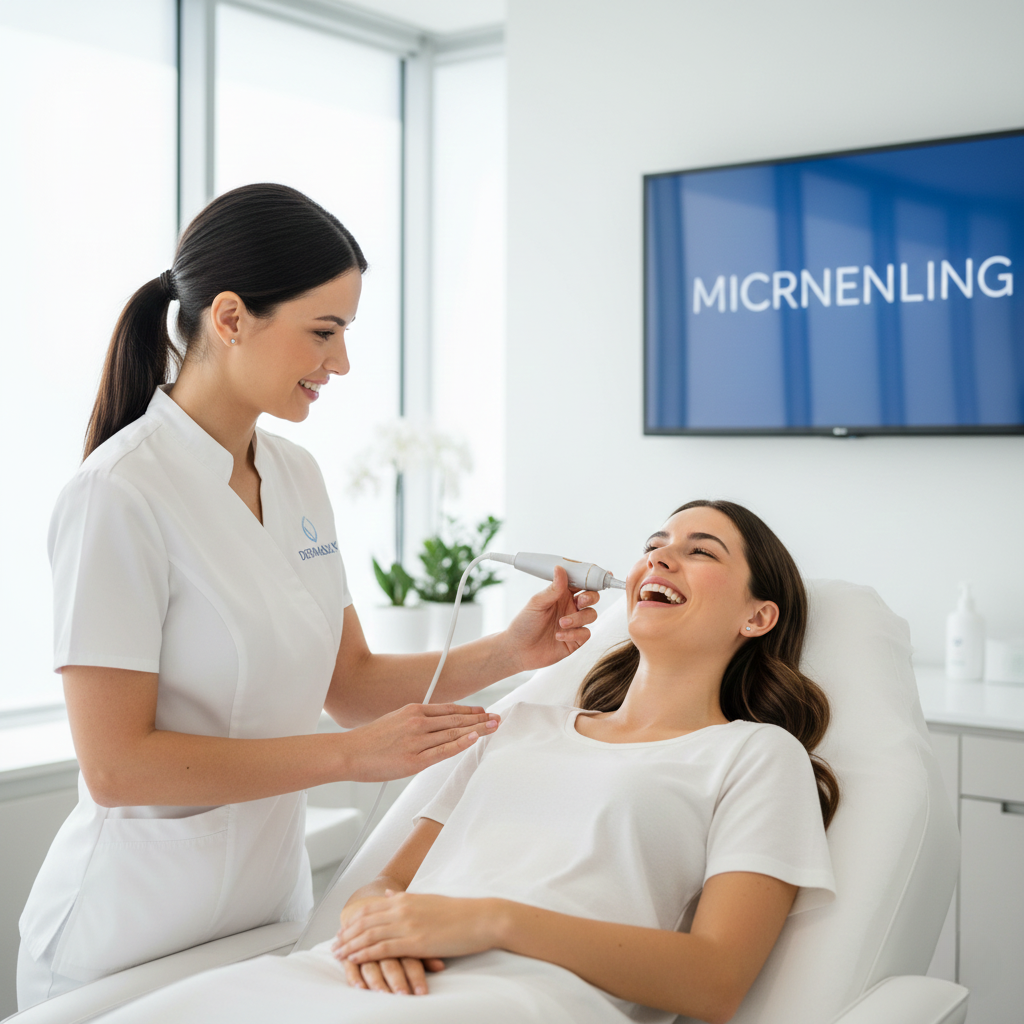
If you’ve been researching microneedling, you’ve probably seen alarming photos online—bright red skin, peeling faces, and dramatic “before and after” shots that can spark fear rather than confidence. It’s completely normal to feel hesitant. Many people searching for microneedling side effects are not questioning the results; they’re questioning the safety.
The truth is that microneedling looks far more intimidating online than it feels in real life—especially when performed by trained professionals in a clinical setting. While temporary reactions are part of the process, serious complications are rare. This guide is designed to calm your concerns, explain what’s normal versus what’s not, and show you how proper aftercare can dramatically speed up healing. By the end, you’ll understand why microneedling remains one of the safest and most effective skin rejuvenation treatments available today.
The “Social Downtime”: What to Expect Immediately After Microneedling
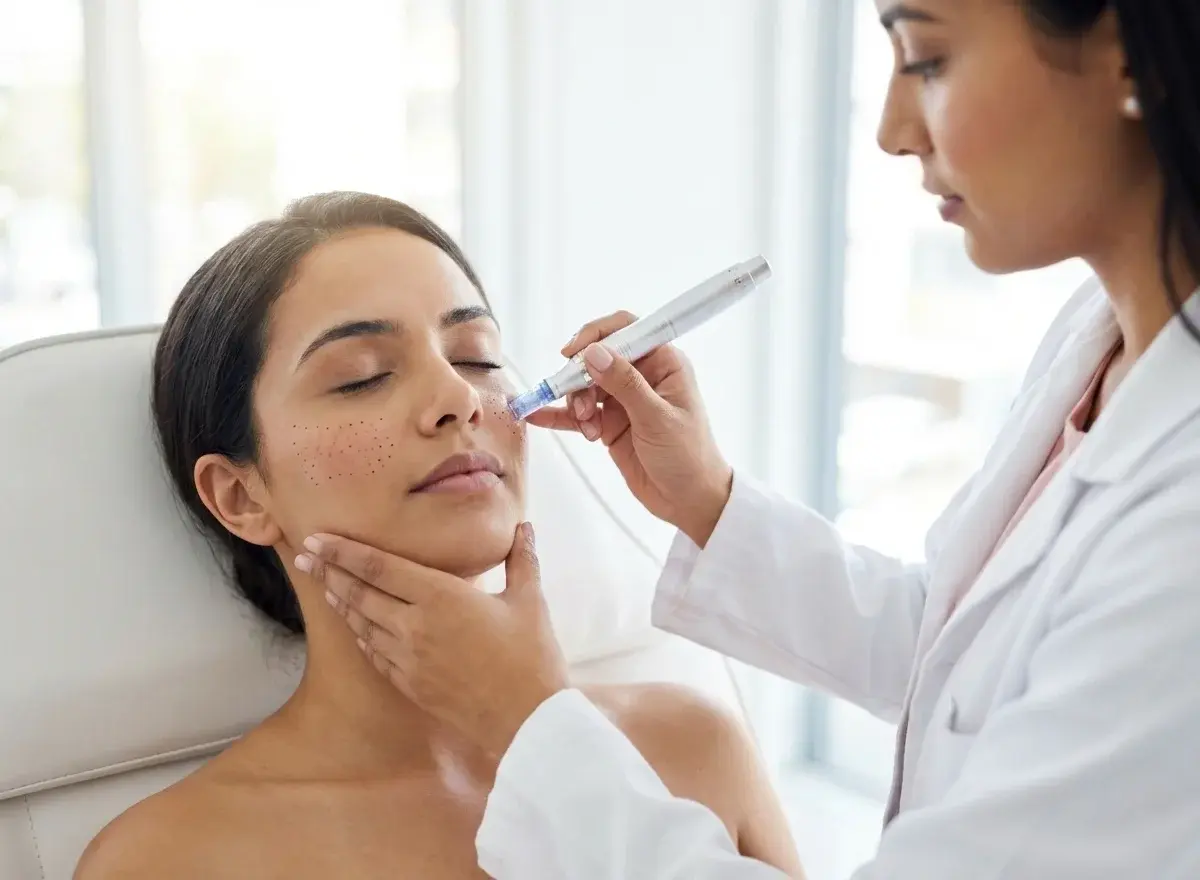
One of the most searched concerns related to microneedling side effects is how the skin looks right after treatment. Immediately following a professional session, most clients experience erythema—redness similar to a mild sunburn. This response is intentional and expected, as microneedling works by creating controlled micro-injuries that trigger the skin’s natural healing response.
For most people, redness peaks within the first few hours and gradually subsides within 24 to 48 hours. Alongside redness, you may notice warmth, tightness, or mild swelling. These sensations indicate increased blood flow and collagen stimulation, not damage. The intensity of these reactions depends on skin sensitivity, treatment depth, and individual healing capacity.
This brief “social downtime” is one of the reasons microneedling is so popular. Unlike invasive procedures, it allows clients to return to normal routines quickly with minimal interruption. Planning your session before a quiet day or weekend is usually enough to feel comfortable and confident afterward.
Need help choosing the right treatment?
Speak with our experts today at +1 604-722-6326 or book online — easy, fast, and tailored to you.

Why Peeling Is Actually a Good Sign
Light peeling or flaking may appear a few days post-treatment. While this can be surprising, it’s a positive sign of accelerated cell turnover. The skin is shedding damaged cells to make way for healthier, smoother layers beneath. Picking or exfoliating during this phase can interfere with healing and should be avoided.
Rare vs. Common Side Effects: Knowing the Difference
Understanding which microneedling side effects are normal versus concerning is essential for peace of mind. The vast majority of clients experience only mild, short-lived reactions.
Common and expected reactions include:
- Temporary redness and warmth
- Mild swelling or puffiness
- Tightness or dryness
- Light peeling after a few days
These effects typically resolve on their own and signal that collagen induction is underway.
Rare side effects are uncommon and often linked to improper technique, poor hygiene, or at-home microneedling devices. These may include prolonged swelling, bruising, blistering, or infection. This is why professional treatments in a medical-grade environment are strongly recommended.
Can Microneedling Cause Scarring?
This is a widespread myth. When performed correctly, microneedling does not cause scarring—it treats it. The procedure is widely used to improve acne scars, texture irregularities, and fine lines. Scarring risks arise primarily from DIY devices, excessive needle depth, or inadequate aftercare.
Microneedling Aftercare: The 24-Hour Golden Rule
Proper microneedling aftercare is the most important factor in minimizing side effects and maximizing results. The first 24 hours are critical, as your skin barrier is temporarily compromised and more sensitive than usual.
During this window, simplicity is key. Avoid overwhelming the skin and focus on soothing, hydrating, and protecting it. Gentle care supports faster healing and reduces the risk of irritation or prolonged redness after microneedling.
Skincare to Avoid
For several days post-treatment, avoid active ingredients such as retinoids, vitamin C, alpha- and beta-hydroxy acids, and harsh toners. These products can irritate freshly treated skin and extend downtime.
Skincare to Use
Stick to calming, hydrating products. Hyaluronic acid helps retain moisture and reduce tightness, while a broad-spectrum SPF is essential once sun exposure resumes. Sunscreen protects vulnerable skin and prevents pigmentation issues during healing.
Activities to Skip
Avoid intense workouts, sweating, saunas, hot tubs, and makeup for at least 24–48 hours. Heat, friction, and bacteria can interfere with recovery and worsen microneedling downtime.
Lifestyle Factors That Speed Up Healing
Beyond topical care, your daily habits play a significant role in recovery. Staying well-hydrated supports lymphatic drainage and reduces tightness. A nutrient-rich diet with vitamin C and zinc helps collagen synthesis and wound healing.
Adequate sleep is equally important. During deep sleep, the body increases growth hormone production, accelerating tissue repair. Managing stress also matters, as elevated cortisol levels can prolong inflammation.
Gentle lymphatic drainage massage may be introduced once flaking subsides, typically after day four or five, to reduce puffiness and support circulation—always using clean hands and light pressure.
Need help choosing the right treatment?
Speak with our experts today at +1 604-722-6326 or book online — easy, fast, and tailored to you.
When to Contact Your Provider
While complications are rare, it’s important to recognize warning signs. Contact your provider if you experience:
- Increasing pain, warmth, or spreading redness
- Pus or yellow discharge
- Swelling or redness that worsens after day five
- Signs of allergic reaction to post-treatment products
Early intervention ensures quick resolution and protects your results.
FAQ
Does Microneedling Hurt?
Most clients describe microneedling as uncomfortable rather than painful. Professional clinics apply numbing cream beforehand, significantly reducing sensation. Discomfort levels vary by treatment depth and individual sensitivity.
How Long Does Redness Last After Microneedling?
Redness after microneedling typically fades within 24 to 48 hours. Sensitive skin types may experience mild pinkness for a bit longer, but it gradually improves.
Is Microneedling Safe for All Skin Types?
Yes, when performed by trained professionals, microneedling is safe for most skin tones and types. A consultation ensures the treatment is tailored to your specific needs.
What Is the Typical Microneedling Downtime?
Downtime is minimal. Most people resume normal activities within one to two days, making it an ideal treatment for busy lifestyles.
When Can I Wear Makeup Again?
It’s best to wait at least 24 to 48 hours before applying makeup to allow the skin barrier to recover fully.
Need help choosing the right treatment?
Speak with our experts today at +1 604-722-6326 or book online — easy, fast, and tailored to you.
Conclusion
Understanding microneedling side effects can significantly reduce unnecessary fear and help you make an informed decision about this popular skin rejuvenation treatment. While temporary redness, tightness, or mild peeling may look concerning at first, these reactions are normal and indicate that your skin’s natural healing and collagen production processes have been activated. When performed by trained professionals, microneedling is considered a safe and effective procedure with minimal downtime and long-lasting results.
The key to minimizing microneedling downtime lies in proper aftercare, especially during the first 24 hours. Avoiding harsh skincare products, protecting your skin from sun exposure, and following professional guidance can speed up healing and enhance results. Serious complications are rare and are most often linked to improper technique or at-home treatments. If you are still wondering “Is microneedling safe?” the answer largely depends on where and how it is performed. A professional consultation ensures safety, comfort, and results you can trust.